Enhancing Confined Space Safety with Video and AI
Confined spaces present some of the most dangerous environments in industrial and construction settings. Despite rigorous safety protocols, workers still face serious risks. The integration of video surveillance and Artificial Intelligence (AI) is ushering in a new era of proactive safety monitoring. These...
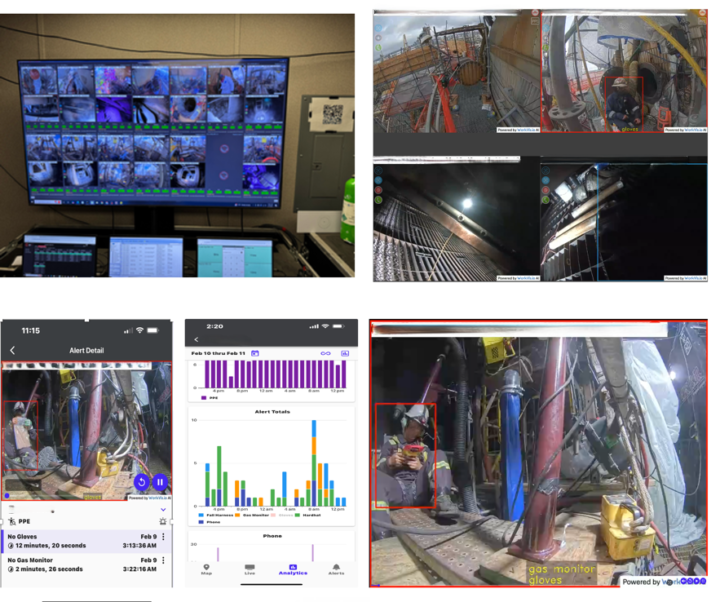
Enhancing Confined Space Safety: How Video and AI Are Transforming Worker Protection
Introduction
Confined spaces — tanks, tunnels, silos, vaults, or underground utility vaults — present some of the most dangerous environments in industrial and construction settings. Despite rigorous safety protocols, workers still face serious risks such as toxic gas exposure, oxygen deficiency, entrapment, and heat stress. However, the integration of video surveillance and Artificial Intelligence (AI) is ushering in a new era of proactive safety monitoring. These technologies can reduce risk, improve compliance, and even save lives. This blog shares details about confined space safety.
The Dangers of Confined Spaces
In the US, 2.1M workers enter 225,000 workplaces with permit confined spaces annually. Between 2011 and 2018, 1,030 workers died in the US in confined spaces. Workers working in a confined space face a twenty-five times higher risk of fatality.
Workers in confined spaces face a unique set of hazards:
- Atmospheric hazards like oxygen deficiency, toxic gases, or flammable vapors.
- Physical hazards such as engulfment, entrapment, or falling objects.
- Limited escape routes, making rescue difficult and time sensitive.
- Communication challenges, especially underground or in sealed areas.
- Human errors, like failing to follow safety procedures or improperly wearing PPE.
Trivial things, like tripping, become a bigger issue in confined spaces because of the challenging physical environment. While safety protocols exist, specifically OSHA Standard 1910.146 in the U.S., consistent real-time monitoring of worker well-being is challenging. This is where video and AI come into play.
How Video and AI Enhance Confined Space Safety
Video and AI technologies can provide an additional layer of oversight and accountability by:
1. Monitoring Safety Gear Compliance
AI-powered vision systems can detect whether workers are wearing required PPE such as:
- Gas detectors
- Hard hats
- Respirators
- Harnesses
- Gloves and protective clothing
By analyzing video feeds, the system can immediately alert supervisors or the workers themselves if PPE is missing or improperly worn before entry.
2. Validating Process Steps Before Entry
Before entering a confined space, workers must:
- Complete a pre-entry checklist.
- Test the air for hazardous gases.
- Ensure proper ventilation.
- Confirm standby/rescue personnel are present.
AI can use computer vision to:
- Confirm the checklist is physically being completed.
- Verify gas detection equipment is used and readings are within safe limits.
- Ensure the confined space has been ventilated or is equipped with forced air systems.
- Detect whether a rescue team is positioned nearby with the proper gear.
3. Real-Time Worker Location and Behavior Tracking
Using wearables, RFID tags, or cameras with computer vision:
- AI can track worker movements inside the space.
- Detect unusual behavior such as collapse, excessive stillness, or signs of distress.
- Monitor dwell time and alert if a worker remains inside beyond the safe threshold.
- This real-time data can be used to trigger alarms or dispatch rescue teams instantly if something goes wrong.
4. Environmental Hazard Monitoring
AI can integrate with IoT sensors to:
- Continuously monitor oxygen levels, temperature, and presence of toxic gases.
- Analyze trends and predict potential hazard escalation.
- Provide early warnings to evacuate or increase ventilation.
Step-by-Step Confined Space Safety Protocol with AI & Video Monitoring
Here is a breakdown of how workers should approach confined space entry — and how AI and video help each step:
| Step | Worker Action | AI/Video Role |
| 1. Permit Issuance | Review and sign entry permit | OCR and computer vision verify permit completion |
| 2. Equipment Check | Don PPE and test gas detector | Detects missing/incomplete PPE and equipment activation |
| 3. Pre-Entry Air Testing | Use gas monitor to assess atmosphere | Reads monitor displays; verifies thresholds are safe |
| 4. Entry Authorization | Await team leader’s clearance | Face/voice recognition confirms supervisor presence |
| 5. Entry & Monitoring | Enter space with buddy/rescue system in place | Tracks movements, posture, and time spent inside |
| 6. Real-Time Alerting | Stay alert for hazards or fatigue | Alerts triggered by motion anomalies or environmental changes |
| 7. Exit & Decontamination | Leave space, remove gear safely | Confirms exit, records PPE removal, logs exposure data |
Benefits Beyond Safety
The integration of video and AI in confined space operations does not just mitigate risk — it also offers:
- Better incident documentation for audits and insurance claims.
- Training improvements through real footage that can be reviewed during training sessions with the wider team.
- Operational efficiency with fewer disruptions and more proactive responses.
- Regulatory compliance with automated logging and traceability.
Conclusion
Confined space work will always be inherently dangerous — but we are no longer limited to reactive safety measures. With AI and video surveillance, companies can now enforce safety protocols proactively, alert personnel in real-time, and continuously learn from their data to make confined space entry safer than ever before.
Next Steps?
If you are exploring AI and video solutions for confined space monitoring, consider a pilot program with a high-risk zone. The technology is scalable and quickly proves its value in both safety and operational continuity.
Learn more about how WorkVis.io can help with confined space monitoring here: https://www.workvis.io/solutions/confined-space-entry/ or contact us with any questions at: https://www.workvis.io/contact-us/.
Related news


